How to build a quality email marketing data pot
When it comes to email marketing, the quality of your data is everything. You can have the most compelling subject lines, great email content, and a fantastic product, but if you’re emailing the wrong people, then your results will suffer.
For small business owners, building a reliable list can feel like a bit of a mystery. Where do you find good contacts? How do you know if your data is trustworthy?
This post will walk you through how to build your own high-quality email marketing data pot from scratch. If you’re just getting started with email marketing or looking to clean up an existing list, these tips will help you create a valuable asset that fuels stronger customer relationships and drives more sales.
What do we mean by an email marketing data pot?
Let’s start with the basics: when we talk about building a “quality data pot,” that doesn’t just mean a big list of email addresses. You need a well-organized, permission-based collection of contacts who’ve given you clear consent to reach out and are likely to engage with your emails.
You should know who they are and why they signed up, so you can send them relevant messages that actually matter to them.
Without these basics, it’s hard to personalize your content or automate your campaigns. Worse still, sending to irrelevant or outdated contacts can harm your deliverability and damage your reputation.
That’s why everything in your email strategy depends on the quality of what’s in your data pot.
Why quality beats quantity every time
It’s easy to fall into the trap of thinking that more contacts equal better results. However, a smaller, high-quality list of people who genuinely want to hear from you will almost always outperform a massive list of cold, disengaged contacts.
Quality drives engagement, and engagement is what keeps your emails out of the spam folder and in front of the right people.
When you send to a clean, permission-based list, open and click-through rates go up because your content is relevant. Unsubscribes and complaints go down because people expect your emails. You save resources by focusing your efforts on the contacts who are most likely to convert.
On the flip side, poor-quality data can do serious damage. A list full of outdated emails (or people who never signed up in the first place) can hurt your sender reputation, making it harder for even your best emails to reach the inbox.
TLDR: A quality email marketing data pot directly affects whether your campaigns drive revenue or fall flat. If you're trying to grow your audience, put quality first and you’ll thank yourself later.
Understanding the different types of marketing data
Before you can build a quality data pot, it helps to understand the different types of marketing data you might come across. Not all data is created equal, and some types are far more valuable (and safer) to use than others.
First-party data is the gold standard. It’s the information you collect directly from your audience through your website forms, email sign-ups, purchases, surveys, or customer interactions. Because your audience willingly gave it to you, you know it’s accurate and that they’re more likely to engage with your emails. It’s also easier to ensure you’re compliant with privacy laws like GDPR.
Second-party data is someone else’s first-party data, shared with you through a partnership or collaboration. For example, a co-hosted webinar or giveaway might give you access to new leads. When done ethically, second-party data can be a great way to grow your list, especially if the partner’s audience closely matches your own.
Third-party data is where things get murky. Third-party data is typically bought from data brokers or scraped from online sources. The people on these lists often haven’t heard of your business, and they definitely haven’t opted in. Using third-party data can lead to poor open and engagement rates, high bounce rates, and even legal and compliance issues.
Generally, the best practice is to focus on first-party data wherever possible. While it might take a bit more effort, it’s more valuable in the long run.
Where to find good data ethically
Now that you know what kind of data you’re looking for, the next step is figuring out how to actually get it. If you're a small business owner, this can feel like the hardest part, but with the right setup, it’s pretty straightforward.
Start by thinking about where your audience already interacts with you and how you can offer them a reason to stay in touch. Here are a few ethical, reliable ways to build your list:
-
Website sign-up forms. Add a simple form to your homepage or blog. A clear “Join our mailing list” call to action still works, especially if paired with a benefit.
-
Lead magnets. Offer something valuable in exchange for an email address like a free sample, discount code, or exclusive content. As well as growing your list, this also tells you something about what that person values.
-
Social media. Promote your lead magnet or newsletter through organic posts and paid ads. Drive traffic to a dedicated landing page with a form.
-
In-person interactions. Events and in-person conversations still matter. Use QR codes or a tablet-based form to collect emails from interested people.
-
Referral programs. Encourage your existing subscribers or customers to refer others. You can also offer a reward or incentive when someone joins via their link.
Each of these methods gives you access to high-quality contacts who’ve actively chosen to hear from you.
Is it ever ok to buy a list?
The short answer: almost never.
Many purchased lists are full of outdated emails or people who never gave consent for you to contact them. Using them can damage your sender reputation and even violate regulations like GDPR and CAN-SPAM.
If you’re still considering it, make sure you’re getting the list from a reputable provider. Here’s what you must do to reduce the risk:
-
Check compliance. Can the provider prove that these contacts have opted in to receive emails from businesses like yours? If not, walk away.
-
Clean the list. Use an email verification tool to remove invalid or duplicate addresses before importing.
-
Exclude existing contacts. Review your current list to avoid duplicates or conflicts.
-
Segment and warm up the audience. Don’t just blast them with a sales pitch. Start with a gentle, value-led email to introduce your brand and invite them to engage.
That said, a better alternative is to run a co-branded campaign with a trusted partner. That way, you’re building a second-party list where both sides gain value, plus your audience is more likely to be relevant and engaged.
The software that makes it happen
With the right tools, you can automate the process of growing, segmenting, and maintaining your list, even as a solo business owner.
Whether you’re starting from scratch or already have contacts stored elsewhere, Transpond makes it easy to centralize and streamline your email data.
You can collect first-party data with Transpond’s custom sign-up forms, with custom fields to collect any relevant information you need.

You can then use automations to apply tags or add contacts to lists based on behavior (like link clicks or form completions).
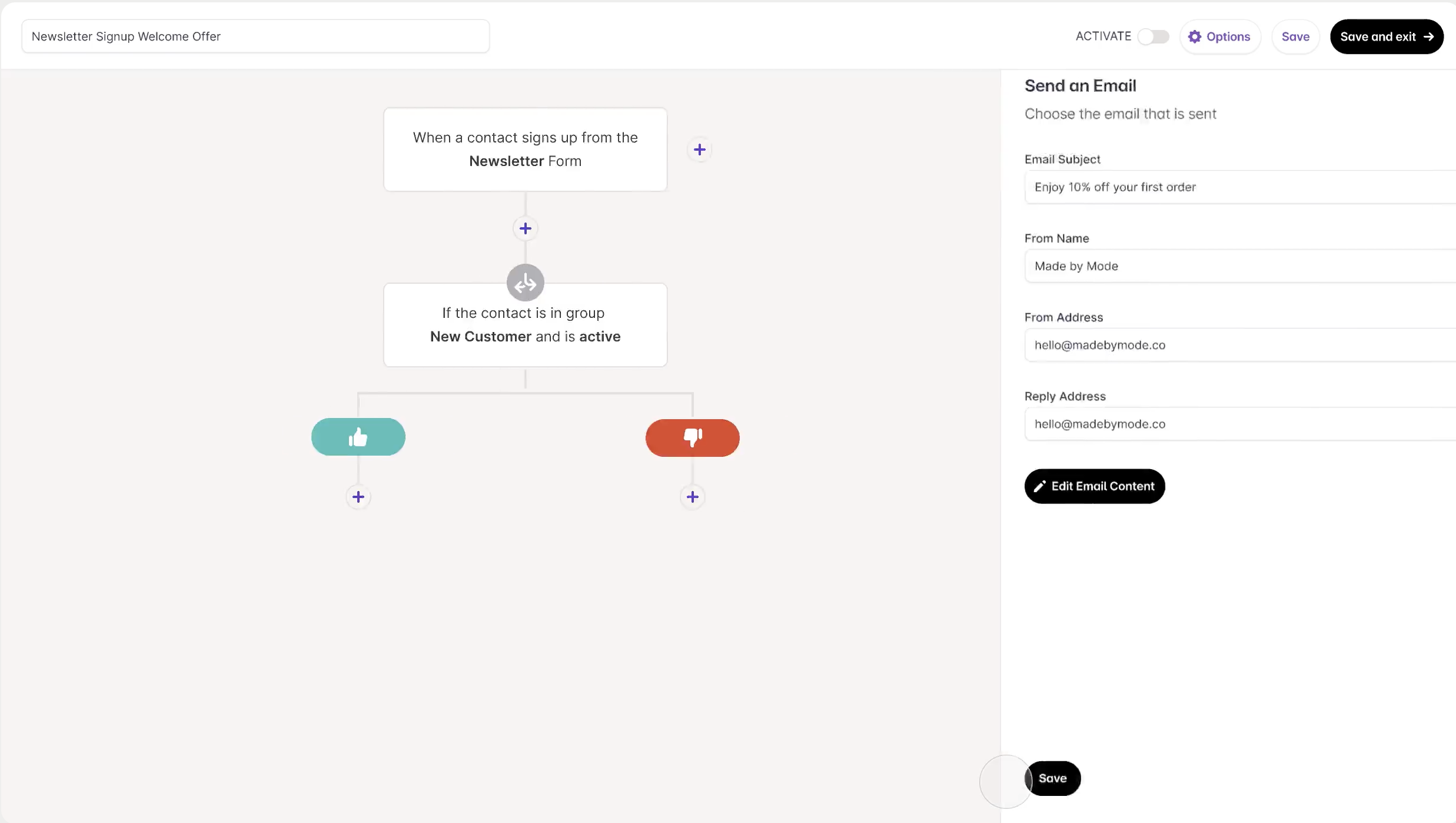
As you start to email your new contacts, Transpond’s analytics help you spot who’s engaged and who’s gone cold.
Your CRM is also invaluable here. If you manage your relationships in Capsule CRM, you’re already sitting on a goldmine of first-party data, people you’ve engaged with, qualified, or even sold to. Transpond integrates directly with Capsule, so you can:
-
Import your contacts (individually or in bulk) with just a few clicks.
-
Automatically bring over custom fields and tags to support segmentation.
-
Keep your contact lists up to date as changes happen in Capsule.
-
Start sending targeted, relevant emails without re-entering a thing.

With the proper systems in place, you can collect and use your email marketing data in more effective ways.
Getting started growing your data pot
We’ve looked at the different kinds of data, ways to grow your pot, and the software you need to bring it all together. However, the idea of starting a data pot from scratch might still feel overwhelming. If you’re not sure where to begin, follow these steps. The key is to start with what you’ve got and build from there, one step at a time.
1. Begin with one or two solid collection points
Maybe it’s a simple sign-up form for gated content on your website. Maybe it’s a lead magnet you promote on social media. Focus on one or two proven channels to begin with, and make sure each new contact is clearly opted in and tagged appropriately.
2. Set up your segmentation early
Technically, you can just throw everyone into one big list, but your data pot will be much more useful if you take the time to organize contacts from day one. Use Transpond’s Tags and Custom Fields to capture how someone signed up or what they’re interested in. That way, your emails can stay relevant as your list grows.
3. Automate where you can
Even basic automation makes a difference. A welcome email, a Tag applied when someone clicks a link, or a follow-up based on behaviour helps you stay engaged with contacts without manually managing every step.
4. Keep it clean with list maintenance
Even the best data pot can go stale over time. Transpond’s List Cleaning feature scans contacts and removes any invalid or expired email addresses, along with any known spam traps or disposable email addresses.
5. Grow sustainably, not aggressively
Rather than chasing quick wins or mass imports, focus on delivering consistent value to the people who’ve already signed up. Your audience will grow naturally over time, and the people on your list will actually want to hear from you.
Your data is your most valuable marketing asset
In email marketing, it’s tempting to focus exclusively on the content. You can spend hours trying to come up with the perfect subject line or the flashiest design. However, none of that matters if you’re sending to the wrong people.
Your contact list is more than just a collection of emails. It’s a living asset, one that grows in value the more care you put into it.
By focusing on first-party, permission-based data, staying organized with tools like Transpond, and maintaining your list over time, you’re setting yourself up for more opens, more clicks, and more meaningful relationships.
Master marketing with Transpond today: start building a quality email marketing data pot that feeds your business for years to come.