In today's world, every business is looking for ways to engage its audience, stay relevant, and stand out from its competitors.
Reactive marketing helps brands connect with their audience by commenting on issues that matter to them by creating engaging content that they want to interact with.
In this blog post, we'll explore the benefits of reactive content, best practices, and successful examples of reactive campaigns that you can get inspired from.
What is reactive marketing?
Reactive marketing involves creating and publishing content that reacts to news or current events. It's usually done via social media but it can be presented in a range of mediums.
The key difference between reactive marketing and a typical marketing strategy is that posts can't be planned and are created spontaneously. They're unplanned posts that capitalize on unexpected events,circumstances or larger news stories.
By responding quickly to timely events and inserting your brand into a wider conversation, you can show that your company is engaged with its audience and the world as a whole.
Reactive marketing vs proactive marketing
Although often confused or used interchangeably, proactive and reactive marketing strategies have key differences.
Firstly, reactive marketing refers to impromptu posts, campaigns, or ads related to current events. They're usually written to be funny, poke fun, or make light of something in the news but they can also be serious. They're a great way to create a buzz and start a conversation with customers. This informal approach helps brands appear friendlier as opposed to being a faceless company.
Proactive marketing is different because it requires brands to create a well-thought-out marketing strategy. Campaigns are planned and acted upon in a structured order. A proactive marketing campaign covers a range of mediums and brands will take a lot of time crafting their campaigns. This allows businesses to purposely line posts up to coincide with predetermined events like holidays.
Examples of reactive marketing
Reactive marketing is great for grabbing headlines and finding new opportunities for product promotion. Relevant and reactive content is relatable to viewers and helps them to actively engage with the content that you create and share. To give you some inspiration we've collated some of the best, headline-grabbing, reactive marketing campaigns from well-known brands.
Coca-Cola
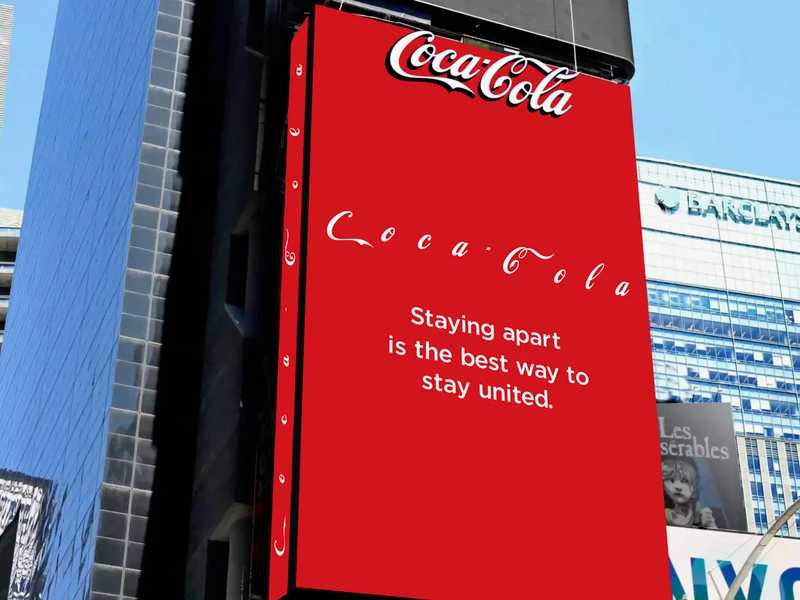
During the COVID-19 pandemic, companies were struggling to find new ways to reach their audience. Coca-Cola however took a response-based approach and utilized their billboard in one of the most crowded locations on earth, Times Square, to promote social distancing.
By spacing out the letters they promoted their brand while commenting on social issues. It's a great example of how to take advantage of a difficult topic in a successful way.
Specsavers
At the 2017 Oscars, the wrong film was announced as the best feature generating a huge amount of publicity.
Specsavers took a reactive approach and published a humourous response which not only brought attention to their brand but also created more ibuzz around the topic. Despite not having a unique product, Specsavers were able to stay ahead of their competition and encouraged fans to engage with them by liking and sharing the post.
The tweet showed the importance of quick decisions in reactive marketing as it gained over 20,000 likes & 11,000 retweets.

Ikea
Cristiano Ronaldo made headlines when he removed a Coca-Cola bottle from hisEuro 2020 press conference and replaced it with a water bottle. While many were commenting on the theatrics, Ikea was quick to react and made the most of the opportunity.
The business created what they called a reusable and sustainable bottle used only for water that they named "Cristiano". The post struck a chord with viewers and was a great strategy to advertise and promote a product innovatively.

Lego
In November 2019, Elon Musk released designs for his long-awaited 'Cyber Truck'. While futuristic and a considerable feat of engineering, the new addition to Tesla's vehicle range received mixed customer feedback.
Many deemed it ugly, and the brand's reputation suffered further after a failed demonstration showed a small metal ball smashing through the supposed 'bulletproof' windows. The vehicle itself was mocked by countless brands taking advantage of the comical pop culture moment.
But arguably one of the most memorable was Lego who took to social media to showcase their own 'shatterproof vehicle' built with a single Lego brick. The end products were shockingly similar and Lego's post ended up receiving more reposts than Elon's original launch tweet.


Oreo
Sporting events can be very unpredictable. Whether it's an unexpected crowd moment or a last-minute win by the underdog team, there's always something to talk about.
Oreo pulled off a marketing triumph at the 2013 Super Bowl, despite not being able to secure any ad time during the game. After a surprise power cut, the company tweeted "You can still dunk in the dark". The reactive post went viral and managed to be one of the biggest advertisements that year despite receiving no official paid air time.

Starbucks
Every TV show wants to create a water cooler moment - something so exciting that people can't help but talk about it. Unfortunately, it's not always for the right reasons.
In 2019 a Starbucks coffee cup was left in a scene of Game of Thrones and it did not go unnoticed. Social media was awash with people discussing how such a big mistake had been made and many were quick to ask who had been the culprit behind the error.
Starbucks however took a different approach and instead tweeted. "TBH we're surprised she didn't order a Dragon Drink." The post not only highlighted their product but also stood out against the other posts.

When reactive marketing goes wrong
While reactive marketing is a great way to steer the conversation and get ahead of your competition, marketers need to be wary that they're striking the right chord. Businesses want to ensure that they have a competitive edge, but it's important to think about your posts carefully and consider the reaction of everyone, not just your target audience.
Here are some examples of companies that missed the mark with their reactive marketing efforts.
American Apparel
In October 2012, the East Coast was hit with the horrific natural disaster, Hurricane Sandy. In response, the clothing brand American Apparel chose to run the "Sandy Sale" and sent out emails targeting states in the storm's path.
The campaign encouraged them to shop for their products during this scary and devastating emergency. This resulted in public outrage but despite the backlash, the company didn’t issue an apology.
The Hoxton
In 2015, Paris suffered a terrorist attack when the satirical newspaper Charlie Hebdo was attacked by two gunmen. 12 people were killed and in solidarity, people around the world began using the hashtag #JeSuisCharlie (I am Charlie). It trended worldwide and many businesses used the hashtag to show their support for free speech.
One company however completely missed the mark and instead attempted to use the hashtag to promote the opening of their new hotel in Paris. The post was quickly removed and the brand issued an apology on the matter stating that they simply wanted to show solidarity. However, it was too late and the damage was done leaving a mark on their reputation.

Celeb Boutique
In 2012 the town of Aurora in Colorado experienced a horrific shooting that took the lives of 12 people. Twitter was flooded with people sharing their condolences and soon #Aurora was trending. While most knew what the hashtag was about, one brand made a huge error when they tweeted "#Aurora is trending, clearly about our Kim K inspired #Aurora dress,".
The tweet was made long after information about the incident had been confirmed but somehow they missed it. The post was quickly deleted following immense backlash and replaced with an apology however, things only got worse when the brand failed to check their scheduled tweets and followed the post with a retweet about how today was a "fabulous Friday".
Implementing a reactive marketing strategy
#1 - Keep your eye on the top news
It's impossible to keep track of everything going on in the world. However, you can take a proactive approach to reactive marketing by prioritizing the top news categories that people follow. These include:
- Current affairs
- Sports
- TV and film
- Famous figures
- Environment
- Technology
#2 - Consider the context
You only have a split second to consider your response. But as we've already seen, it's become increasingly difficult to know how your reactive post may be perceived.
Try to stick to light-hearted news and avoid anything that could be a sensitive topic to your target audience. This way you can still reap the many benefits of reactive marketin while reducing the risk of backlash..
#3 - Timing is key
Don't wait around for anyone else to steal your thunder. You want to be at the front of the pack, not jumping on the bandwagon after everyone else has had their say.
A reactive marketing approach is only relevant during a finite period. It only takes a day or so for an audience to move on so you need to strike while the iron is hot. If you wait too long audiences may think of your brand as ignorant or out of touch with their customers and their interests.
#4 - Keep it short
Audiences can be fickle, so you want to stay ahead with your marketing strategies. Commenting on the same topic over and over can leave your audience bored.
It doesn't matter if you're a large enterprise or a small business, your customers want you to be relevant and proactive. Don't be the company that's still repeating themselves after everyone else has moved on.
Key takeaways
Reactive vs proactive marketing strategy
Proactive and reactive marketing strategies have key differences that you need to understand. While you should always plan, marketers need to be ready to think on their feet and make the most of unexpected events
Not everything needs to be newsjacked
Companies need to exercise discretion and respect for the individuals involved in significant stories. While there may sometimes be a funny angle, it's important to consider the human aspect of the news and show empathy towards those affected.
Stay vigilant and Considerate
Remain mindful of your pre-scheduled posts and consider whether they are appropriate about breaking news. A badly timed post can make brands seem tone deaf which can negatively affect their reputation. Continuously monitor your scheduled content to avoid any potential upset.
Remember your audience
It can be easy for brands to forget that their content can reach people across the globe. It doesn't matter whether you're a small business with a niche target audience, once online your content can reach people from diverse backgrounds and perspectives. Acknowledge that not everyone shares your views, and tailor your communications to resonate with as many people as possible.
Final thoughts
The benefits of reactive marketing are huge. It's a chance for businesses to capitalize on current events and reach new and relevant audiences with limited resources and budgets.
But it's not without its challenges, reactive marketing can go wrong and when it does the results can be disastrous for the brand. Reactive marketing success can be great for your brand and marketing team as it helps businesses stand out amongst their competitors, boost brand recognition, and improve relationships with customers.
Discover new ways to reach your customers with your free trial at Transpond.